What are Varicose Veins?
What are Varicose Veins?
What are Varicose Veins?
And how V³ can bring benefits to clinicians and patients
And how V³ can bring benefits to clinicians and patients
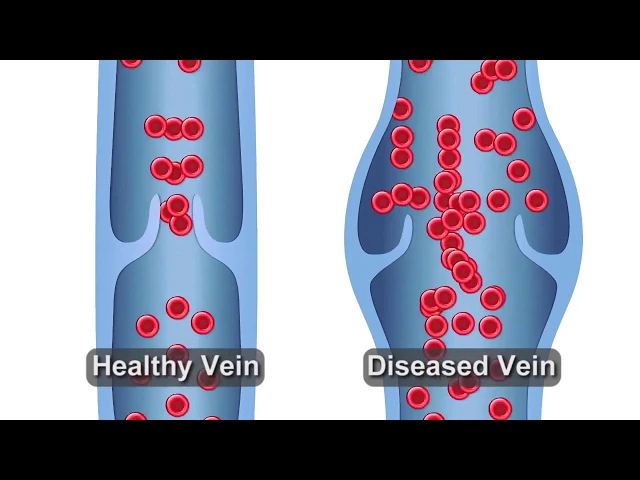
Varicose Veins
Enlarged, twisted superficial veins caused by valve failure. When valves stop functioning properly, blood flows downward (reflux), leading to increased venous pressure.
When left untreated, this will cause:
Visible bulging veins
Leg heaviness, aching, or swelling
Skin color changes, or worse, ulcers
The Problem
Varicose Vein treatments such as high ligation and stripping (HLS) are non-vein-sparing. Our approach adopts vein-sparing methods that track hemodynamic patterns by understanding the reflux pathway where abnormal blood flow begins and re-enters the venous system.
However, this can be challenging as:
Hemodynamic interpretation requires significant training and experience
Accurate identification of the reflux pathway is crucial
Treatment decisions vary depending on anatomy and drainage
Varicose Vein treatments such as high ligation and stripping (HLS) are non-vein-sparing. Our approach adopts vein-sparing methods that track hemodynamic patterns by understanding the reflux pathway where abnormal blood flow begins and re-enters the venous system.
However, this can be challenging as:
Hemodynamic interpretation requires significant training and experience
Accurate identification of the reflux pathway is crucial to avoid thrombosis
Treatment decisions vary depending on anatomy and drainage
Our Solution
Our Solution
V³ shortens the learning curve for the clinicians on ultrasound-guided assessment via real-time vein localization, passive guided scanning, and automated treatment report with explanations.
V³ shortens the learning curve for the clinicians on ultrasound-guided assessment via real-time vein localization, passive guided scanning, automated treatment plan, and a clinically-based explanation.
Clinicians
Fill knowledge gaps for those with limited ultrasound experience
Map hemodynamic patterns clearly
Improve workflow efficiency
Patients
Receive minimally invasive treatment in an outpatient setting
Preserve healthy veins
Skip recovery time
Clinicians
Fill knowledge gaps for those with limited ultrasound experience
Map hemodynamic patterns clearly
Improve workflow efficiency
Patients
Receive minimally invasive treatment in an outpatient setting
Preserve healthy veins
Skip recovery time
What are Varicose Veins?
And how V³ can bring benefits to clinicians and patients
Varicose Veins
Enlarged, twisted superficial veins caused by valve failure. When valves stop functioning properly, blood flows backward (reflux), leading to increased venous pressure.
When left untreated, this will cause:
Visible bulging veins
Leg heaviness, aching, or swelling
Skin color changes, or worse, ulcers
The Problem
Varicose Vein treatments such as high ligation and stripping (HLS) are non-vein-sparing. Our approach adopts vein-sparing methods that track hemodynamic patterns by understanding the reflux pathway where abnormal blood flow begins and re-enters the venous system.
However, this can be challenging as:
Hemodynamic interpretation requires significant training and experience
Accurate identification of the reflux pathway is crucial
Treatment decisions vary depending on anatomy and drainage
Our Solution
V³ shortens the learning curve for the clinicians on ultrasound-guided assessment via real-time vein localization, passive guided scanning, and automated treatment report with explanations.
Clinicians
Fill knowledge gaps for those with limited ultrasound experience
Map hemodynamic patterns clearly
Improve workflow efficiency
Patients
Receive minimally invasive treatment
Preserve healthy veins
Skip recovery time
Receive treatment in an outpatient setting